
A manufacturing group adds brands through launches and acquisitions. Each brand needs a website for its products, datasheets, certifications, and dealer details, often in several markets.
Each new site often becomes a separate agency project on a different system, with product data copied in by hand. The IT team then has to host, patch, and secure every one of them.
Reuse the parts you already have
Developers build layouts and widgets once in the Visor template. Every brand site uses the same parts and loads its own theme, so each brand still looks like itself. A new brand or market site can be cloned from an existing one and given a new theme.
Product details in one format
Products live in a collection with fields for specifications, categories, images, and datasheets. The same entries feed product listings, detail pages, and search. Each brand keeps its own products, and every brand's editors work in the same forms.
From an AI design to a live site
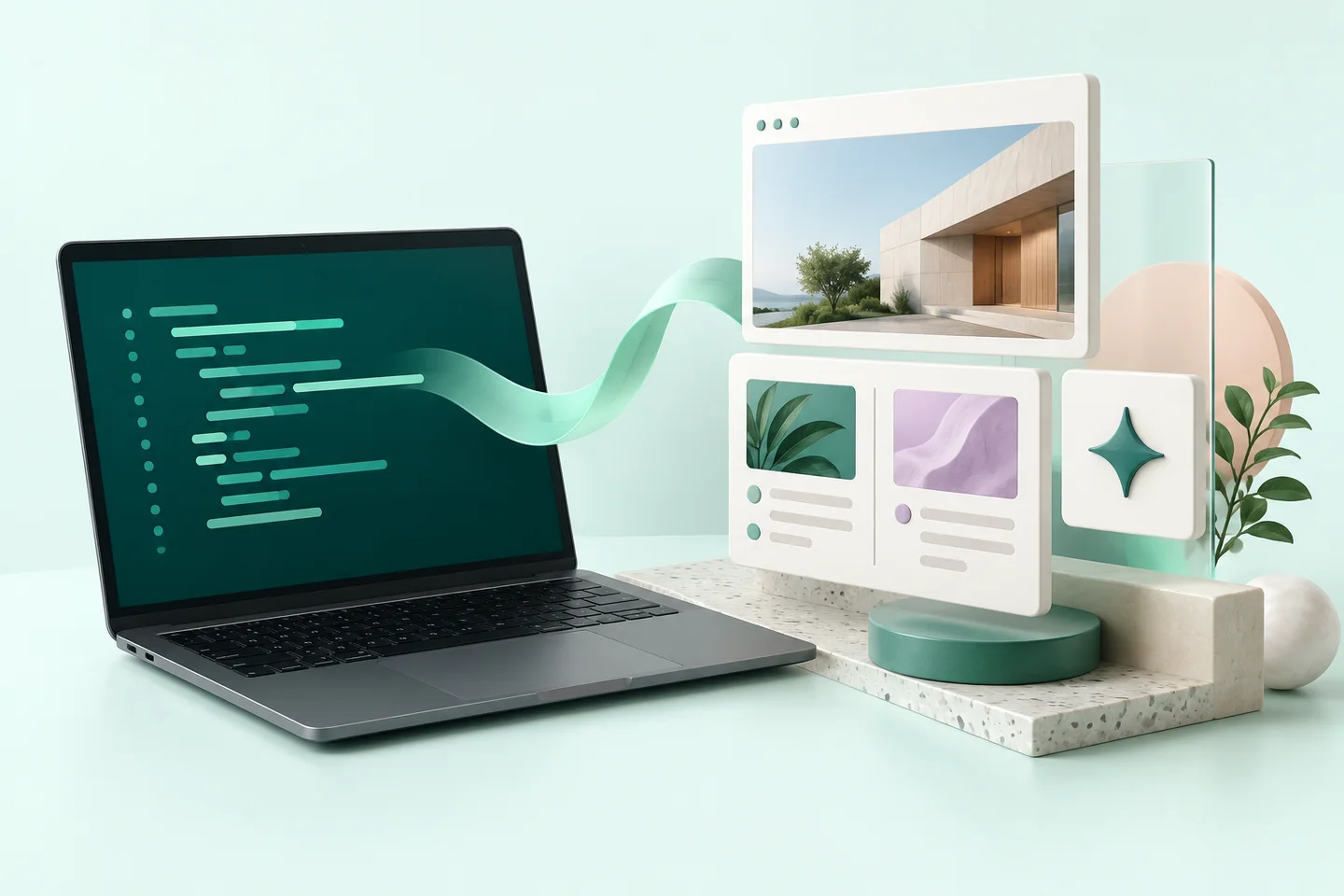
A brand team can design a new site in any AI design tool, such as Claude, and export it as HTML, CSS, and JS. A developer runs the convert-html skill, which turns the design into a Visor theme, layouts, and widgets. It asks before creating a new widget where an existing one could be reused. The developer reviews the result before editors start building pages.
Running on a managed platform
Each new site gets staging and production environments from the deployment portal. Releases go out as a package or through your CI/CD pipeline, and every site has the same security layers and testing from its first release. Patching and CMS upgrades are handled by the platform.
What changes
A new brand gets a website that looks like its own, built from parts the group already maintains. Product data is entered once and shown wherever it is needed, and IT runs one platform for every brand.